Mustard is everywhere. At least, that’s how it felt after my son was diagnosed with a mustard allergy. I never knew, and I think most people who’ve never dealt with this don’t, how prevalent mustard is in foods most Americans eat regularly. It’s in condiments, salad dressings, pickles, marinades, deli meat, spice blends, and not to mention the generic “spices” and “natural flavors” that brands are allowed to list on ingredient labels, which may very well include mustard.
To make it possible to keep eating the foods we enjoy while keeping everyone safe, we now make many of these kitchen staples from scratch. Here are 10 we make regularly that have made managing this allergy so much easier, and have kept us cooking the foods we love.
1. Mayonnaise
This is much easier than it sounds. A carton of pasteurized egg whites, avocado oil, lemon juice, and salt, plus an immersion blender, are all you need. You can find the full mayo recipe here. It is delicious and removes a major source of hidden mustard from your kitchen.
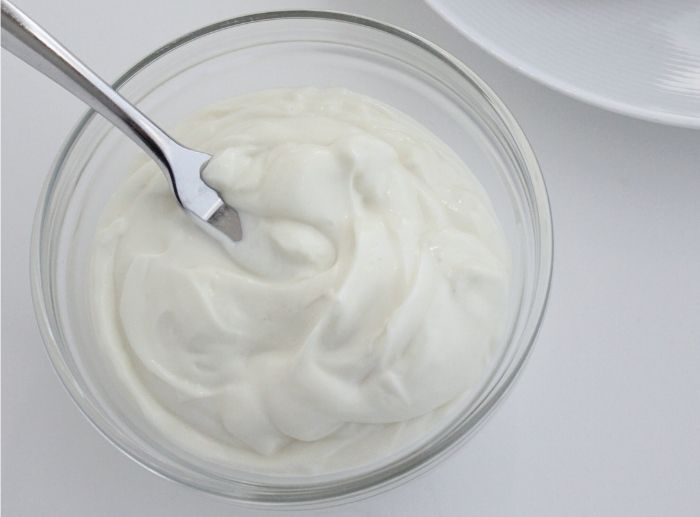
Once you have this in your fridge, it becomes the base for so many other dishes – pasta salads, potato salads, tartar sauce, and coleslaw, several of which are on this list.
2. Salad Dressings
You can break up with store-bought dressings and still have a delicious salad. This honey ginger dressing is always a crowd pleaser. Another favorite that requires no recipe: mash some ripe avocado into your salad with a squeeze of lemon juice, a drizzle of olive oil, and a pinch of salt. It sounds too simple but it’s amazing.
3. Pickles
Look inside most jars of pickles and you will often find mustard seeds floating in the brine. Making your own quick refrigerator pickles is far easier than I expected. We love this simple recipe from thestayathomechef.com. It says “overnight” but sometimes we use them after just a few hours in the fridge.
4. Tartar Sauce
Once you have the homemade mayo and the refrigerator pickles, tartar sauce comes together easily. We use both in this easy tartar sauce recipe, and it makes any fish dinner much better received in my house.
5. Coleslaw
The homemade mayo pulls double duty here too. This coleslaw recipe allowed us to bring this classic summer barbecue side dish back into our rotation.
6. Barbeque Sauce
Store-bought barbeque sauce is full of hidden mustard, but making it from scratch is very doable. I haven’t landed on a single recipe I love enough to link to yet, so instead I adapt recipes I find by making a few consistent swaps. I skip any mustard and horseradish the recipe calls for, substitute coconut aminos or soy sauce for Worcestershire sauce, and look for recipes that use tomato paste or tomato sauce as the base rather than ketchup, since mustard-free ketchup can be hard to find. With those adjustments, most barbeque sauce recipes turn out great.
7. “Adobo” Sauce
Adobo sauce is key for homemade chili. I have yet to find a store-bought version that doesn’t list spices or natural flavors, so we use the “on the fly version” in this post from pepperscale.com as our substitute. You will need to scroll a little down the post to get to it. I put adobo in quotes because it skips the chipotle peppers, which in my opinion is actually a bonus since it makes it that much easier to throw together.
8. Madras Curry Paste
Indian food often contains mustard. In fact, after my son’s diagnosis, the owner of my favorite Indian restaurant told me he didn’t feel it was safe for us to eat there. I appreciated his honesty, and it pushed us to start making a few dishes at home. We use this madras curry paste recipe as a substitute in recipes that call for Madras curry paste.
9. Chicken or Turkey Sausage
Sausage is a tough one. Any sausage made in a store is likely ground on shared equipment with spice blends that contain mustard, and nearly every prepackaged sausage I’ve checked either lists mustard outright or includes vague “spices” or “natural flavors.” A few seemed safe until I dug deeper and found cross-contamination was still a risk. So we make our own. We use ground chicken or turkey from brands we trust (Mary’s Organic is what we buy most often, and it’s always worth checking the label since natural flavors are frequently added to ground poultry as well) . This recipe is our go-to, and it’s excellent on homemade pizza.
10. Baked Chicken Breast for School Lunches
Instead of deli meat, we bake a batch of chicken breast on Sundays and use it for school lunches all week. Sliced thin with homemade mayo, romaine, and allergen-safe bread, it makes a sandwich my kids actually look forward to.
Managing a mustard allergy takes some adjustment, but once you have these staples in rotation it starts to feel a lot more manageable. Another one to add to this list is teriyaki sauce. We have a hard time finding one without natural flavors on the label, so we make our own instead. If you’re still getting your bearings with a new diagnosis or want a broader look at navigating this allergy, check out my general guide to managing a mustard allergy.
Related Posts
Mustard Allergy Tips: Important Things to Know When Your Child Is Diagnosed
Avocado Oil Mayonnaise Recipe Without Mustard | Egg White Mayo
Honey Ginger Salad Dressing Without Mustard