When my son was diagnosed with a mustard allergy, there was a steep learning curve. Managing a mustard allergy is different from navigating more commonly labeled allergens, and we quickly realized how much we had to learn. We had to figure out not only how to avoid mustard, but also how to keep cooking the foods our family loves.
It suddenly felt like mustard was everywhere. I had no idea how many products, especially condiments, contained mustard or how easily it could be hidden in ingredient lists.
In the United States, mustard is not considered a top allergen and does not have to be clearly labeled. That alone makes a mustard allergy particularly challenging to manage. The tips below are based on our family’s experience. This is not medical advice.
1. Check All Food Labels for “Spices” and “Natural Flavors”
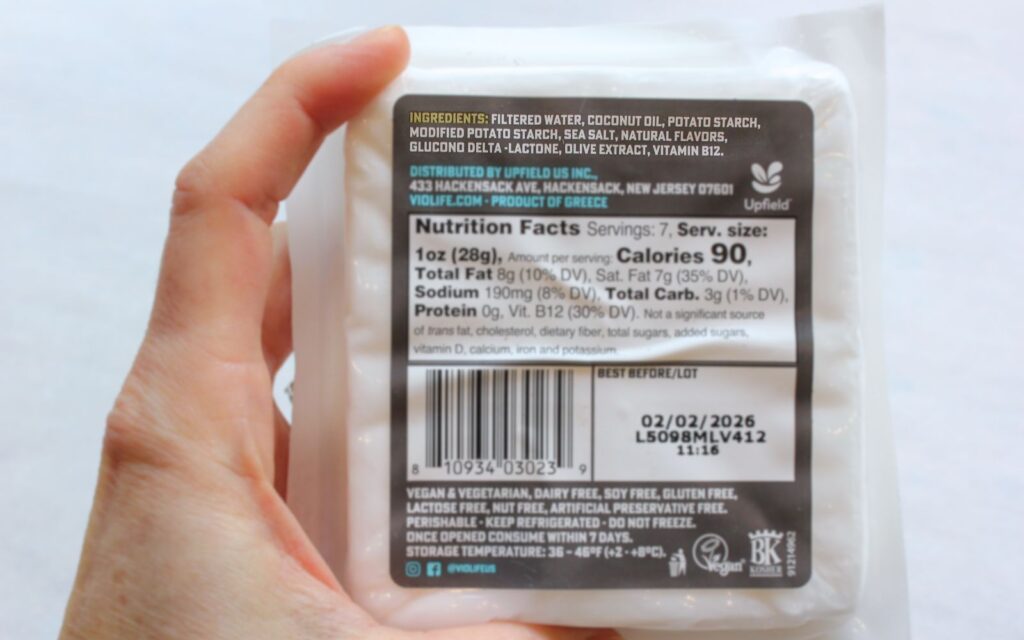
Not only does mustard not have to be labeled as an allergen in the US, it can also be hidden under the umbrella terms “spices” or “natural flavors.” Reaching out to companies to ask whether their spices or natural flavors include mustard will yield mixed results. Some brands will share the specific ingredients or at least confirm whether mustard is included. Others will say the blend is proprietary and advise you not to consume the product.
That response can be discouraging, but even when you do get a clear answer, remember that it may not always stay the same. Brands evolve. Product lines expand. Ownership changes. Ingredients and formulations change too. Because of that, it is good practice to regularly reconfirm that products remain mustard free.
In our house, we avoid all savory foods that list spices or natural flavors, since the likelihood of mustard is fairly high. For sweets, the risk is much lower, so in those cases I will reach out to companies to confirm that their spices or natural flavors do not include mustard.
2. Do a Kitchen Cleanout of Common Mustard Culprits
A thorough kitchen cleanout is an important early step. Mustard is in many places beyond just the jar of mustard.
Fridge
Check everything that lives on the door shelves. Ketchup, mayonnaise, pickles, salad dressings, Worcestershire sauce, relish, barbecue sauce, and even some vegetable juices commonly contain mustard or undefined spices and natural flavors. We learned early on after a reaction that V8 Splash contains mustard..
Spice Cabinet
Check every label carefully. Any seasoning blend is very likely to contain mustard.
Pantry
Look closely at chips and crackers. Even if a plain variety does not contain mustard, consider whether the brand makes seasoned flavors. Those flavors often contain mustard, which raises cross contamination concerns. In those cases, it is best to check directly with the company.
3. Find Reliable Mustard Free Swaps
Cooking without mustard is possible once you identify good substitutions.
For recipes that call for Worcestershire sauce, soy sauce or coconut aminos work well in our kitchen. For heat and flavor, Tabasco sauce and Tabasco brand sriracha have been reliable options for us.
Once you build a small list of dependable swaps, everyday cooking becomes much easier.
4. Make Your Own Condiments and Staples
Many store bought staples contain mustard, especially pickles, mayonnaise, salad dressings, and barbecue sauce. Making these at home allows your family to continue enjoying familiar foods while keeping everyone safe.
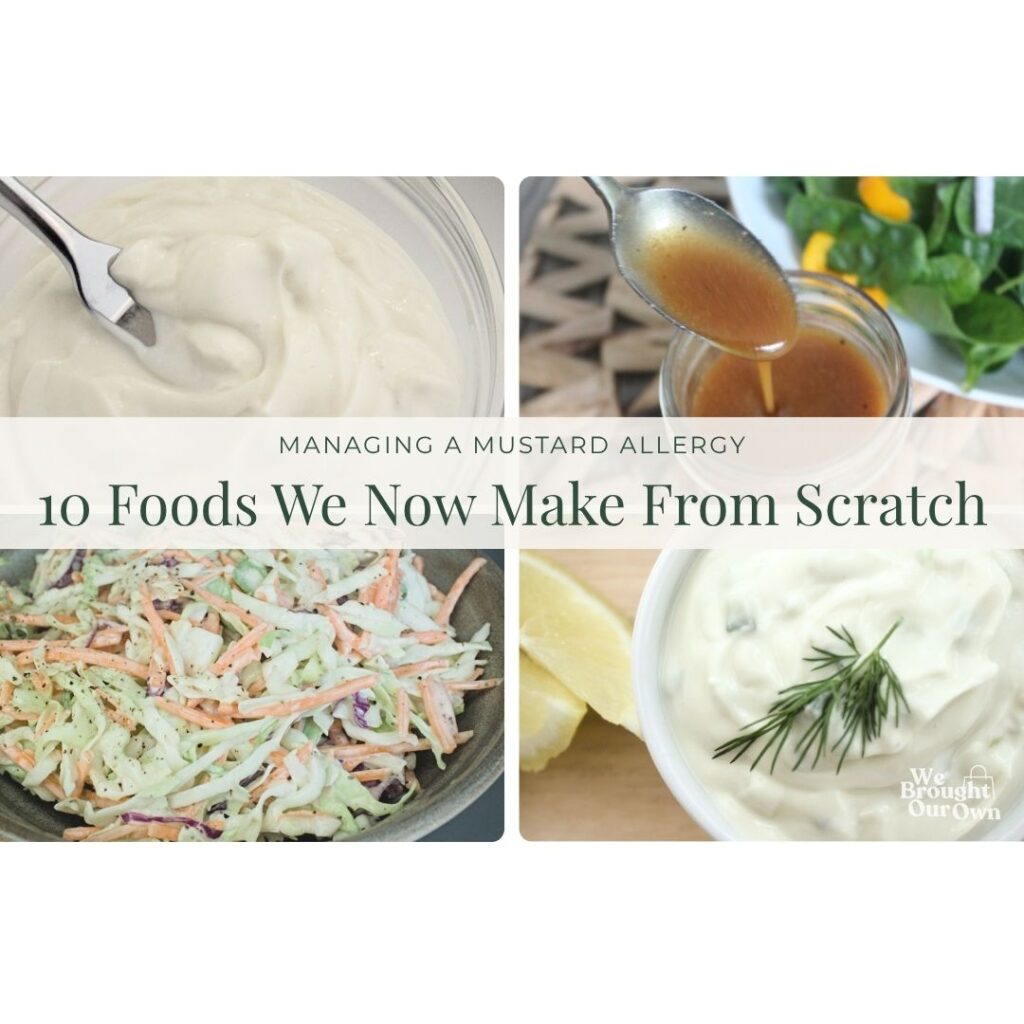
Over the years, we have collected and created recipes that allow us to recreate the foods we missed most. My list of 10 Foods We Now Make From Scratch to be Mustard Free includes the recipes for items we make regularly. Several of them are essentials that make summer barbecues and hamburgers possible again.
5. Read Every Label Every Time
Even trusted brands can change.
One of our long time go-to products added mustard after years of being safe for my son. Ingredient lists can change without warning. Always reread labels, even on products your child has eaten safely in the past.
6. What to Avoid With a Mustard Allergy
If your child is allergic to mustard, certain foods and settings consistently carry a higher risk of exposure.
We avoid deli counters, premade grocery store meals, and Indian restaurants due to the frequent use of mustard or mustard seed in sauces and spice blends.
We also avoid pasta made from Italian wheat, including Barilla products. Mustard grows invasively in parts of Italy, which has led to documented concerns about potential mustard presence in Italian wheat. While this is not listed directly on packaging, it is disclosed on the company’s website. As always, confirm details directly with manufacturers and make the decision that feels safest for your family.
7. Finding Safe Restaurant Options
I wish I could offer a long list of safe restaurant options for families managing a mustard allergy. Hopefully, as labeling practices evolve, that will become easier.
For now, Chipotle is the only national chain I am aware of that clearly states on its website that all of its food is free from mustard. Thank you Chipotle! With locations across the US, it has been helpful to have at least one on the go option.
That said, Chipotle is not dairy free, so it is not a fit for all of my children. As with any restaurant, always review the most current ingredient information and make decisions based on your family’s specific allergies.
The honest truth is that because of the lack of clear labeling laws in the US and mustard’s prevalence in so many convenience foods, mustard is a challenging allergy to manage. Of all the allergies my kids have (mustard, dairy, tree nuts, peanuts, and sesame), mustard requires the most time and effort to track down safe products and get clear ingredient answers from brands.
That said, once you learn the basics and figure out how to make some of your favorite foods at home, it does get much easier.
Related Posts
Honey Ginger Salad Dressing Recipe Without Mustard or Sesame
Dairy Free Mayonnaise Without Mustard
Mustard and Dairy Free Coleslaw