For our family with multiple food allergies, vacation only works if we stay somewhere with a kitchen. Whether it is a hotel with a kitchenette or a rental house with a full kitchen, cooking our own meals and bringing our own key essentials is the easiest way for us to safely manage our children’s dairy, tree nut, sesame, mustard, and peanut allergies, as well as eczema, while traveling. It also lowers stress, saves money, and gives us more flexibility with our days.
Over time, I have learned that cooking safely in a new kitchen takes more than just showing up with groceries. Unfamiliar cookware, unknown products, and shared spaces introduce risks that are easy to overlook, especially when you are tired from travel.
This is the system I’ve used for travel within the U.S. and Canada to make cooking on vacation feel predictable and safe. It is based entirely on what has worked for us after many trips and a lot of trial and error.
Why cooking in a vacation rental takes extra planning
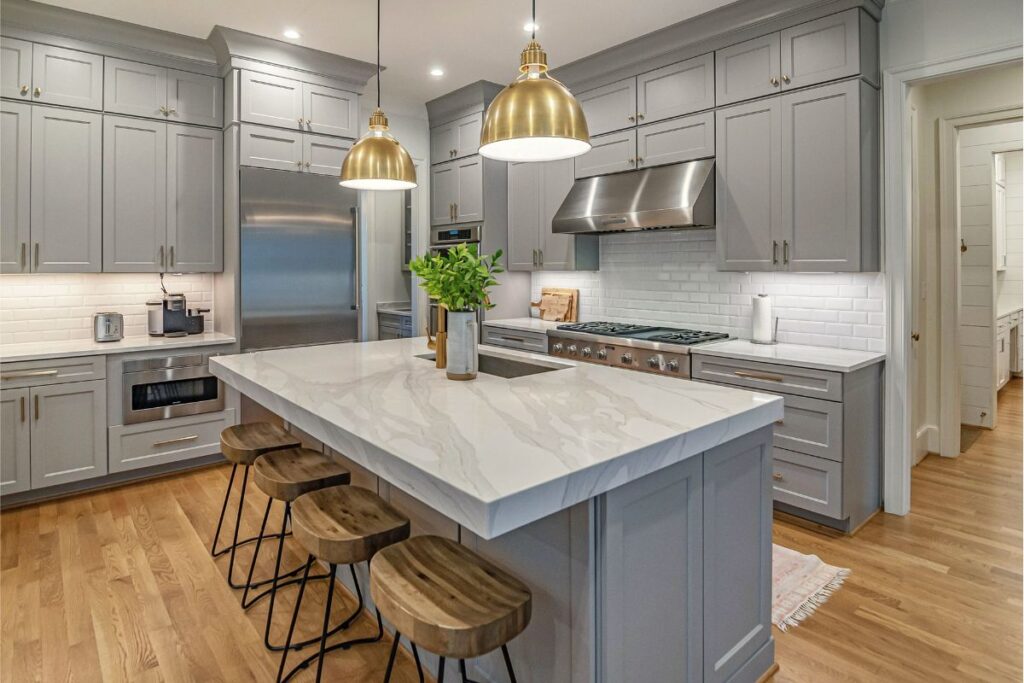
Vacation kitchens are used by many people, often cooking foods we actively avoid. Even in places that look very clean, there are surfaces, tools, and products that are hard to thoroughly clean or verify.
Taking time in advance to think through what we will eat, bringing items that before having kids with allergies would have never been on my vacation packing list, and following a consistent process as soon as we arrive allows us to spend far less mental energy worrying about food safety once we are settled. Instead, we can focus on relaxing and enjoying our trip.
What I pack to cook safely on vacation
Spices
I portion our most used spices into small snack size ziplock bags, label them with a sharpie, and store them together inside a quart size ziplock. If we are flying, this goes in my carry-on.
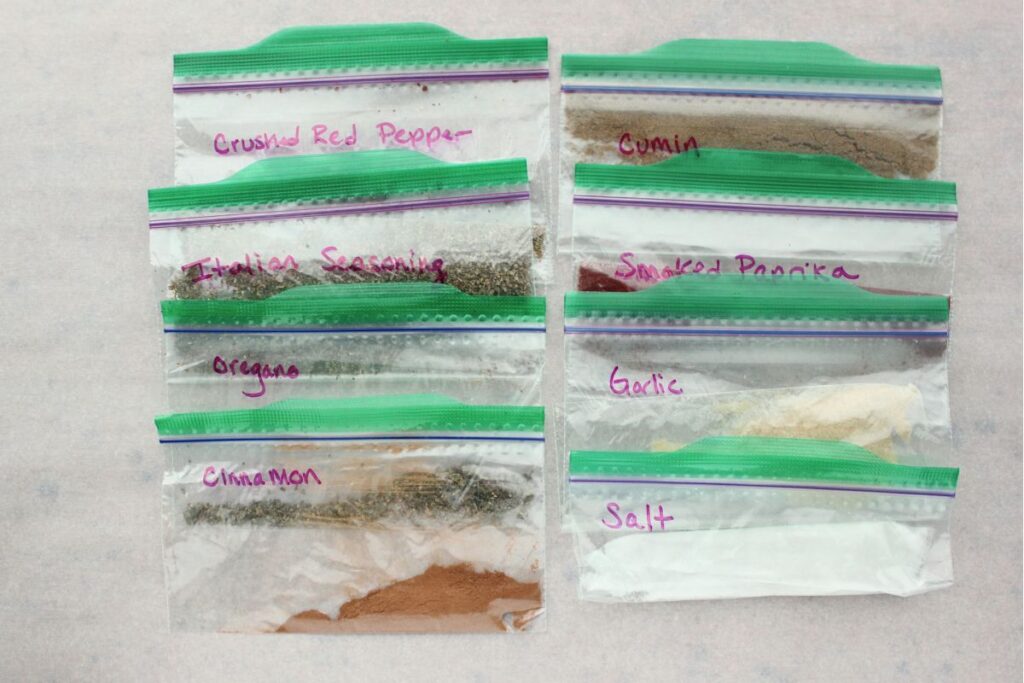
For our family, this usually includes small amounts of
• cumin
• oregano
• garlic
• paprika
• basil
• salt
• pepper
Buying spices at our destination is expensive and not always reliable when it comes to finding brands we trust. Spending a few minutes prepping these at home saves money and avoids unnecessary risk and waste. Whatever I don’t use gets saved in the bags for future trips. I will say, I have never been organized enough to actually premix spices ahead of time for specific meals but if you are someone who is really on top of meal planning, premixing spices for the meals you plan to cook could make this even easier.
Ziplock bags and foil sheets
I pack an assortment of Ziplock bags and a handful of foil sheets inside one larger bag. These are constantly useful for food storage, leftovers, and packing lunches.
They are much cheaper to bring than to buy at the destination, and I don’t end up with half-used boxes that get thrown away.
Soap
This is one area where I never rely on what is provided.
Hand soap
To avoid eczema flare ups and ingredient surprises, I always bring our own hand soap. We use Oregon Soap Company Foaming Aloe Baby Wash.
I pack the soap liquid in a leak proof container and bring an empty foamer pump. I learned the hard way that traveling with a full pump bottle leads to leaks.
Dish soap and laundry detergent
I either pack these in leak proof containers or add them to our grocery order. Products provided in rentals are often highly fragranced and frequently come in small sample size bottles without ingredient lists.
Non-stick pan and spatula
Vacation kitchens are usually stocked with cookware, but non-stick pans and spatulas are often in poor condition. Scratched pans and melted spatulas are hard to clean thoroughly and make me uncomfortable from a safety standpoint.
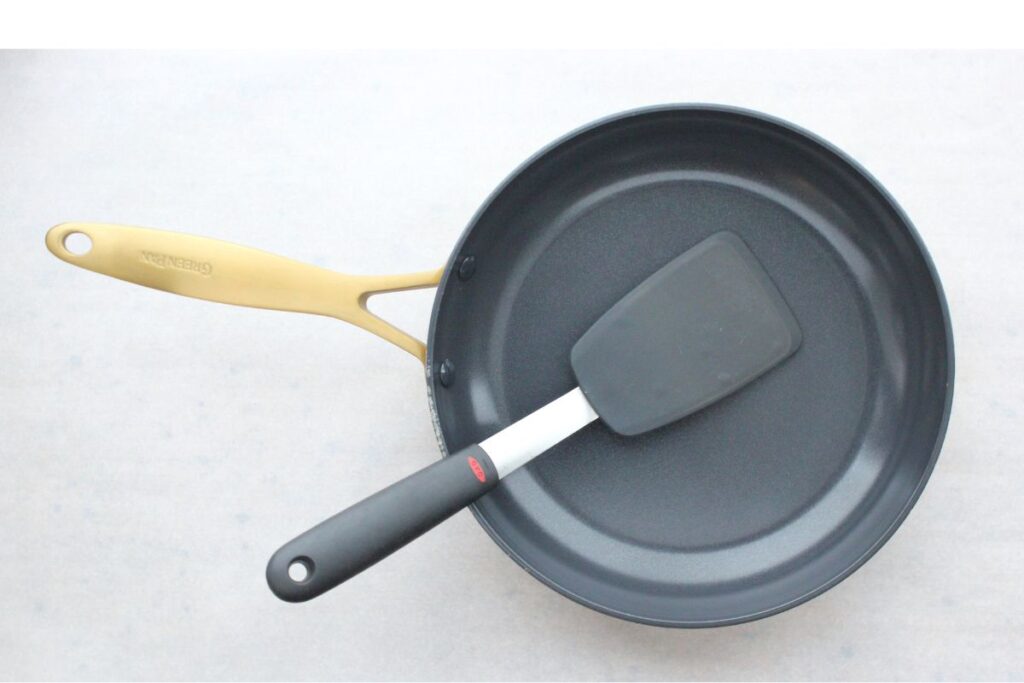
If we are driving, I bring our own ceramic non-stick pan and silicone spatula. When we are flying, I plan to buy these at a nearby store and often add them to our grocery pickup order so they are ready when we arrive. If I can fit them in my suitcase on the way home, great. If not, I’ve accepted ahead of time that they may become a donation to the rental kitchen. The safety is worth the expense plus I figure we would have spent a lot more than the cost of the pan and groceries if we had been eating meals at restaurants.
How I plan groceries before we travel
Before we leave, I research nearby grocery stores to confirm which ones carry brands that are safe for us. I build our grocery cart in advance and submit either a pickup or delivery order the night before or morning of travel depending on store lead times and our arrival plans.
It is not unusual for us to use more than one store. For example, we might plan a Kroger pickup and a Whole Foods delivery to get everything we need.
Our orders always include
• easy meals
• lunch items (we do a lot of chicken sandwiches)
• snacks
• a few sweet treats
The one exception to the grocery order process for us has been Hawaii. We’ve traveled to Maui, Kauai, and Oahu, all of which have a Costco close to the airport. Since Costco is my preferred place to buy meat and produce, the easiest option for us is to shop there on the way from the airport to the hotel.
This still requires a rough meal plan so we can get in and out quickly with everything we need. After a long flight, waiting for luggage, and picking up a rental car, the last thing my kids want to do is wander a grocery store.
Costco does not work for everyone. Because we are a family of five and usually stay around ten days, we can use most of what we buy without leaving much behind. I still rely on a smaller grocery store near the hotel for items like olive oil, where the Costco size is just too big for vacation use.
What I do immediately when we arrive
Clear the decks
I gather decorative pillows, throw blankets, coasters, placemats, and similar items and put them away in a closet for the duration of our stay. These items are frequently touched and eaten on or around and are not easy to thoroughly clean.
Put away complimentary food
There is often chocolate, nuts, or snack items left as a welcome gift. I put these away immediately so there is no risk of accidental exposure.
Bathroom check
I remove any complimentary soaps or shampoos that do not list ingredients and store them out of the way.
Wipe down high-risk areas
Even in clean looking rentals, there are areas that collect food residue and are often overlooked. I wipe down:
• the sides and underneath the edges of the dining table where little hands are likely to go
• the underside edge of kitchen islands
• dining chairs and barstools including under the seats
• remote controls
A pack of baby wipes comes in handy for this process. If I find any especially dirty spots, I go in with soap and water.
What we never use in a vacation kitchen
As a rule, we do not use
• toasters
• toaster ovens
• cutting boards
• outdoor grills
These items are difficult to clean thoroughly and are frequently used with allergenic foods. Even when grills are not shared, cleaning them well enough is more effort than it is worth for us.
How I handle dishes and cookware during our stay
I wash every plate, cup, dish, pot, and utensil before we use it. I do this as we need items rather than all at once so it doesn’t feel overwhelming. As items are cleaned, I keep them separate from the rest of the cabinet contents.
I usually store clean items
• inside a large pot
• or on a dishtowel on the counter
Silverware drawers in particular tend to collect crumbs, so I avoid putting clean utensils back into them. This system allows us to keep pulling from a known safe set of dishes throughout the stay.
Why we skip room cleaning during our stay
I place the do not disturb sign on the door or ask housekeeping not to clean for the duration of our visit.
While it is nice in theory to have someone clean for us, skipping it gives me peace of mind. I know our setup will not be disturbed, our cleaned dishes will not be moved, and no unknown products will be used on surfaces.
The risk of something going wrong is probably small, but for us, being the only ones going in and out of the space is worth it.
Frequently asked questions about cooking safely in vacation rentals
Yes, but it takes planning. For our family, bringing key items from home, cleaning dishes before first use, and avoiding certain high-risk tools makes cooking in vacation rentals feel much safer and more predictable.
We avoid toasters, toaster ovens, cutting boards, and outdoor grills because they are difficult to clean thoroughly and are frequently used with allergenic foods. Beyond that, when in doubt, we don’t use it. Not worth the risk.
We always clean plates, utensils, cups, and cookware before first use. We keep cleaned items separate during our stay so we can keep track of what has been washed and avoid any old crumbs that have gathered in drawers.
At a minimum, we pack spices, ziplock bags, foil sheets, safe soaps, and sometimes our own non-stick pan and spatula to reduce risk and stress in unfamiliar kitchens. If we are driving and have the space, I will often bring additional food items from our own kitchen that travel well.
On our last trip to Whistler, I packed a glass bottle of olive oil and forgot to tell my husband it was in the bag when he packed the car. We arrived to a huge mess, olive oil and broken glass everywhere, even in the bike helmets. So learn from my mistake and leave the glass at home.
Final note
This is not the only way to cook on vacation, but it is what works for our family. Having a consistent system allows us to focus on enjoying our time together instead of managing constant uncertainty around food and products.
If parts of this help you feel more prepared in a new kitchen, take what works and leave the rest. If you have questions about anything related to managing food allergies in vacation rentals that I didn’t cover here, I am always happy to share what has worked for our family.
Related Posts
Flying With Food Allergies
Meal Prep Chicken Breast (Top 9 Free)
Favorite Gluten Free Products For Families Managing Multiple Food Allergies